
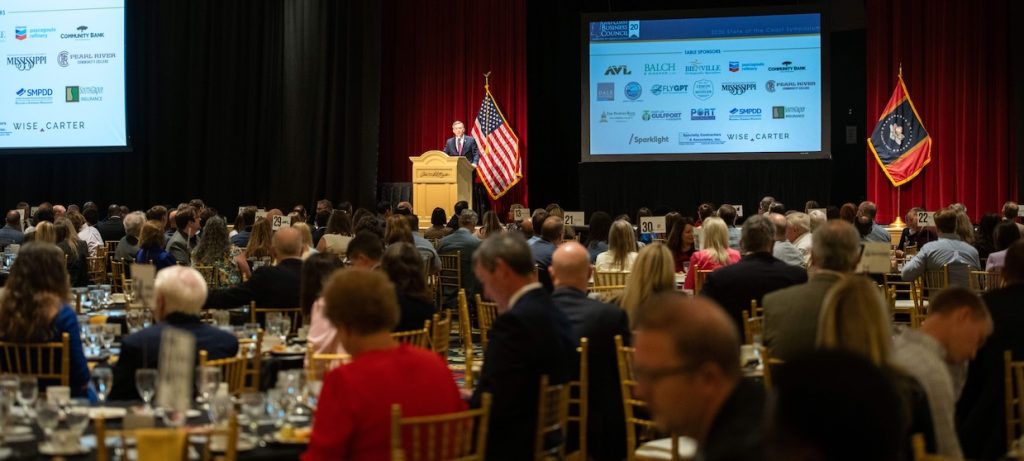
The Gulf Coast Business Council welcomed business leaders, elected officials, educators, entrepreneurs, and community stakeholders to the 7th Annual State of the Coast Symposium on May 21 at the Beau Rivage Resort & Casino for a morning focused on one central theme: what it will take for Coastal Mississippi to remain competitive in a rapidly changing economy.
Presented by title sponsor Mississippi Power, breakfast sponsor Ingalls Shipbuilding, and flagship sponsor Hancock Whitney, this year’s symposium marked a special milestone as GCBC celebrates 20 years of leadership and regional collaboration across the Mississippi Gulf Coast.
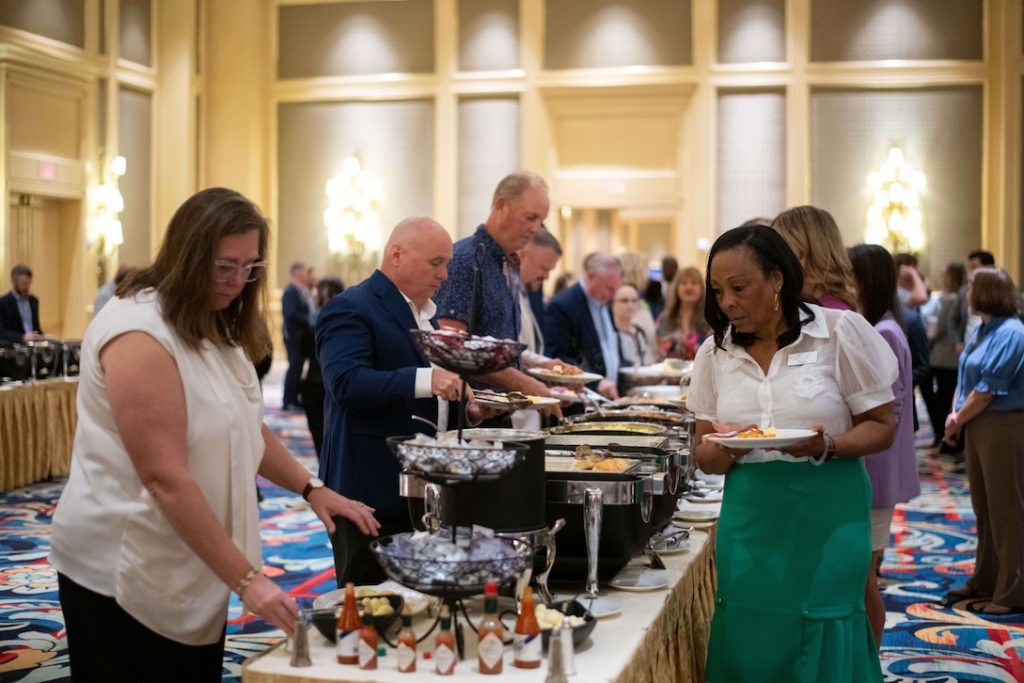
A Morning Focused on the Future of the Coast
In his opening remarks, GCBC President & CEO Jamie Miller thanked sponsors, partners, members, and attendees for their continued investment in the future of Coastal Mississippi and emphasized the importance of working together to strengthen the region’s long-term economic competitiveness.
Representing title sponsor Mississippi Power, Freddie Carmichael spoke about the company’s commitment to supporting the Coast through strategic investment, infrastructure resilience, and community partnership.
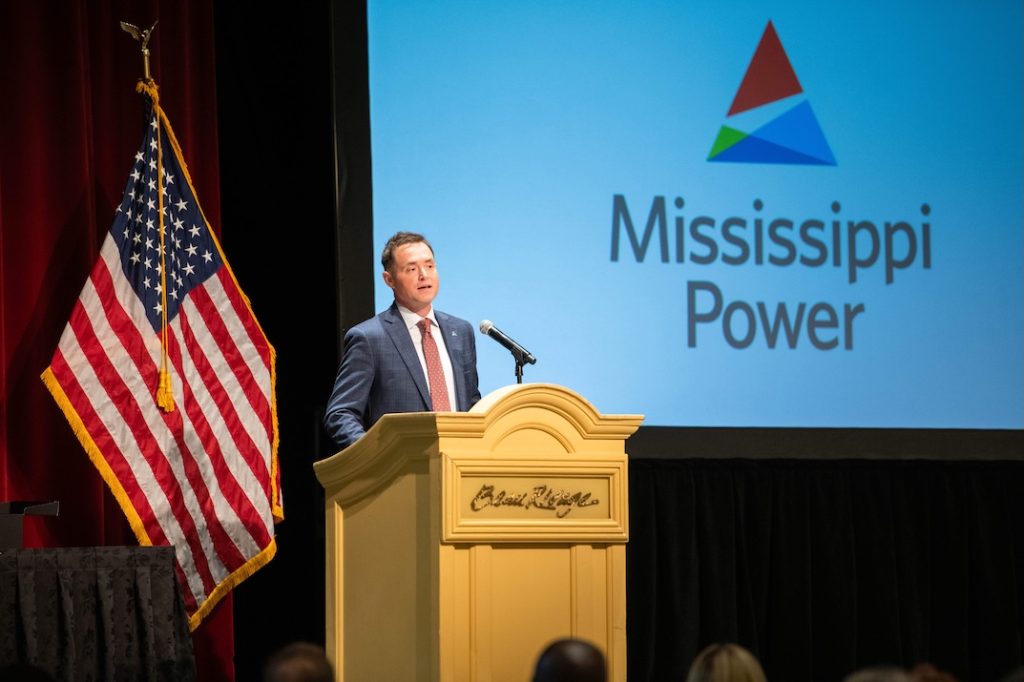
“At the end of the day, our responsibility is bigger than just keeping the lights on,” Carmichael said. “It’s helping communities grow and thrive for the long term.”
Carmichael highlighted the region’s “transformational moment of growth and opportunity,” driven by industry expansion, military investment, innovation, and emerging technologies, while emphasizing the importance of reliable and affordable energy infrastructure to support that growth.
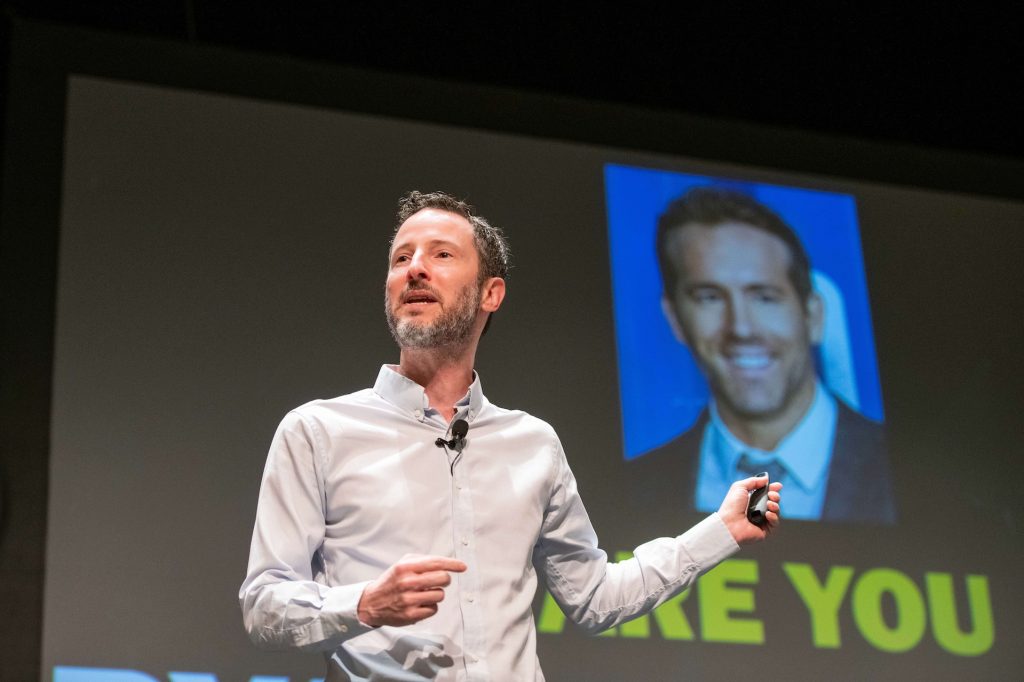
Jason Feifer Challenges Leaders to Rethink Change
The symposium’s keynote address was delivered by Jason Feifer, bestselling author of Build for Tomorrow and Editor in Chief of Entrepreneur Magazine. Known for his energetic and engaging speaking style, Feifer challenged attendees to rethink how they approach change, innovation, leadership, and adaptability in business.
Drawing from conversations with some of the world’s most successful entrepreneurs and executives, Feifer shared that “the most successful people are the most adaptable,” encouraging attendees to embrace discomfort and uncertainty as necessary parts of growth.
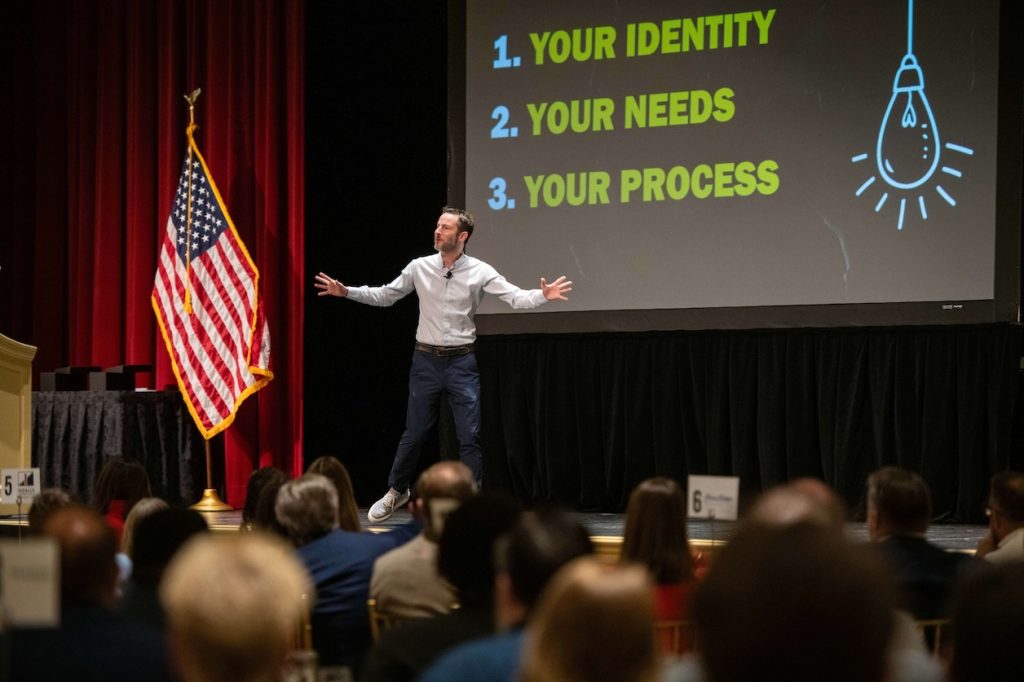
One of the keynote’s most memorable moments centered around the importance of identity and mission in times of change. Feifer urged attendees not to define themselves solely by job titles or tasks, but instead by the deeper value they bring to others.
“If my identity is ‘I’m a magazine editor,’ then I’m one phone call away from losing my identity,” Feifer said. “But ‘I tell stories in my own voice’ — nobody can take that away from me.”
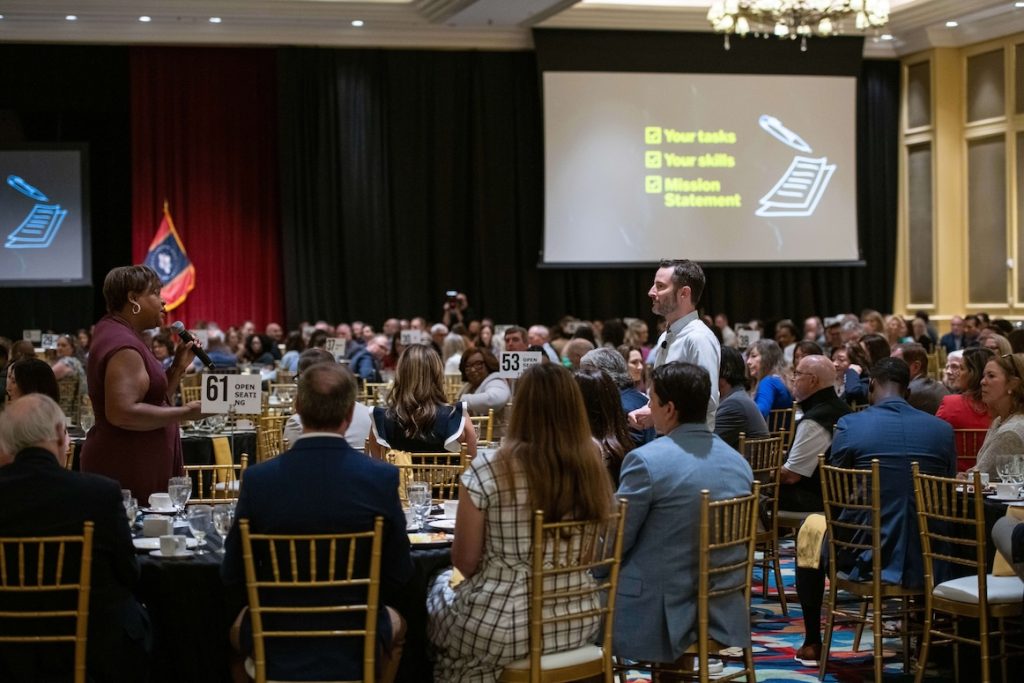
Feifer also challenged attendees to think more intentionally about how they describe their work and purpose, encouraging them to develop personal mission statements rooted in long-term value rather than temporary titles or roles.
Understanding Motivation During Times of Change
During his keynote, Feifer introduced attendees to the psychological framework of “ARC” — autonomy, relatedness, and competency — as three core human needs organizations must understand in order to foster motivated, resilient teams during periods of disruption and uncertainty.
He explained that employees and leaders alike are more likely to thrive when they feel ownership over decisions, experience meaningful workplace relationships, and feel confident in their abilities.
“Change will always come,” Feifer said. “But our needs never change.”
The discussion resonated with many in the audience navigating workforce challenges, technological disruption, and shifting business environments.
AI, Innovation, and “Breaking What’s Already Broken”
Addressing the rise of artificial intelligence, Feifer encouraged business leaders to view AI not simply as a threat, but as a “forcing function” capable of exposing outdated systems and inefficiencies.
“I think what AI is going to do is break what’s already broken,” Feifer said. “And that creates an opportunity for someone to build a new system that truly works for today’s needs.”
He challenged attendees to ask themselves an important question: “What are we asking people to do that they hate?” — arguing that innovation often begins by removing friction and rethinking processes that no longer serve employees or customers.
Throughout the keynote, Feifer emphasized that progress does not come from perfection, but from a willingness to adapt, experiment, and solve better problems than before.
Jamie Miller’s State of the Coast Address
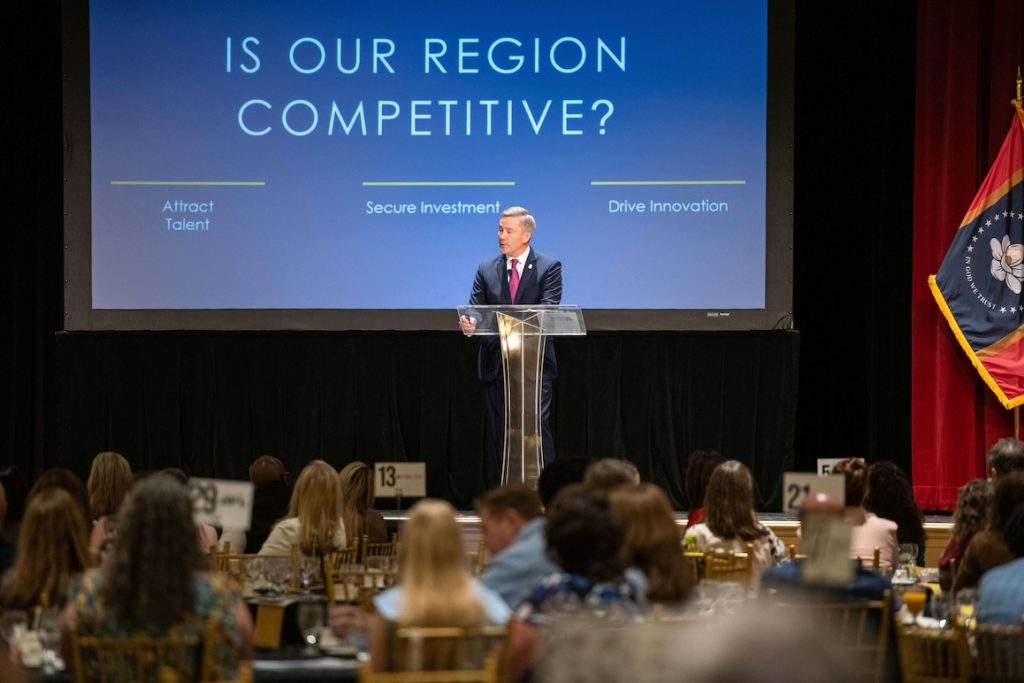
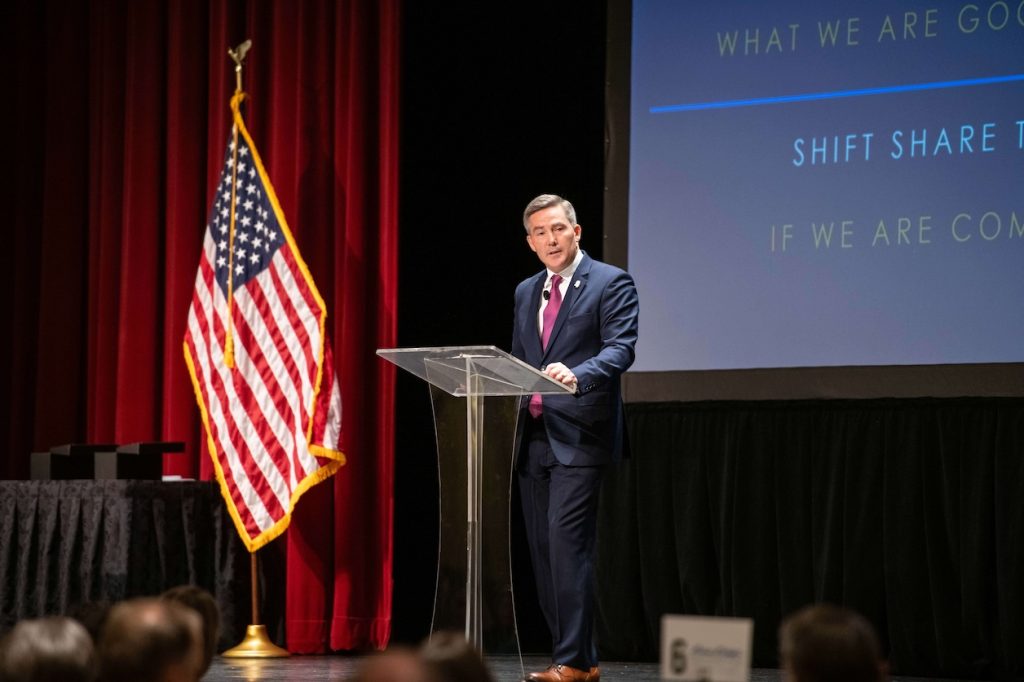
Following the keynote, Jamie Miller delivered GCBC’s annual State of the Coast address, reflecting on the region’s progress over the last two decades while challenging attendees to think beyond resilience and toward long-term competitiveness.
Miller took the audience back to 2006 — the year after Hurricane Katrina — when Coastal Mississippi was still grappling with recovery and rebuilding.
“For the last 20 years, our story has been one of resilience,” Miller said. “But resilience was never meant to be our finish line.”
Using economic data and workforce analysis, Miller highlighted both the strengths and vulnerabilities of the region’s economy. While tourism, manufacturing, military, and retail sectors continue to outperform national averages, he emphasized the need for Coastal Mississippi to strengthen innovation, technology, engineering, and professional services sectors in order to remain competitive in the future economy.
The “Plan of Plans” and Regional Alignment
Miller also introduced attendees to GCBC’s “Plan of Plans” initiative — a regional alignment effort led through the organization’s Master’s Class program. The initiative uses artificial intelligence to analyze and identify common priorities across municipal, county, workforce, and economic development plans throughout the Mississippi Gulf Coast.
“What if we looked across all these plans and asked: where do we already agree?” Miller asked. “Where are the shared priorities that define us as a region?”
The presentation included a video showcasing how AI is helping identify regional alignment opportunities related to workforce development, infrastructure, downtown revitalization, tourism, aerospace, maritime innovation, and economic competitiveness.
Miller concluded by encouraging the region to embrace a new collective challenge.
“Resilience was our recovery story,” he said. “But competitiveness needs to be our legacy.”
Recognizing Regional Innovation and Leadership
The symposium concluded with the presentation of GCBC’s 2026 Rising Tide Awards, which recognize organizations advancing economic growth, innovation, and regional collaboration across Coastal Mississippi.
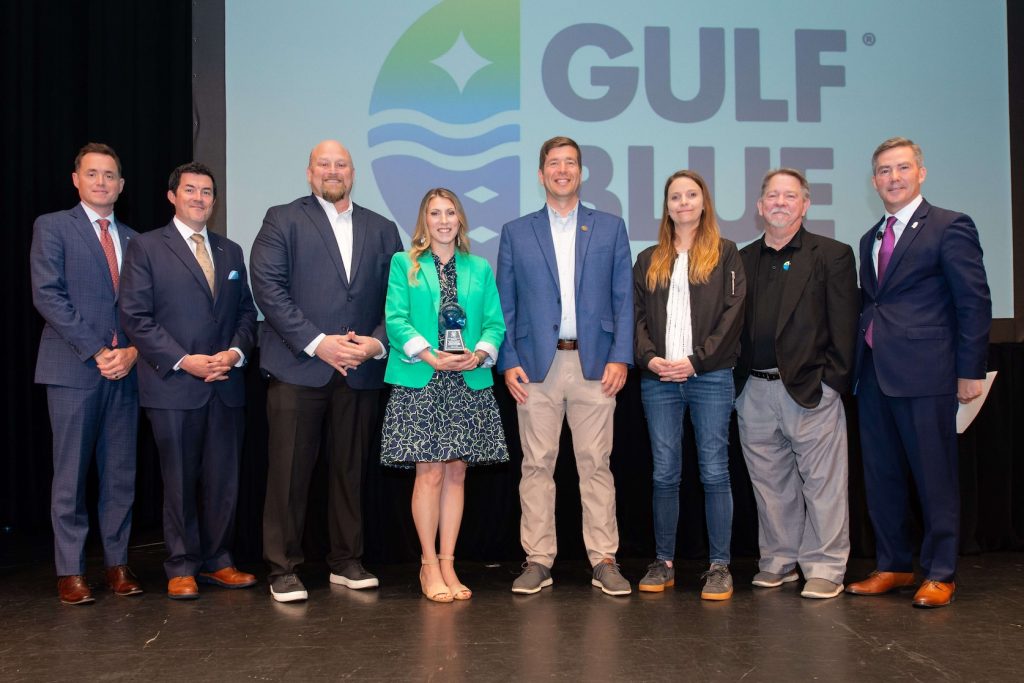
This year’s first Rising Tide Award was presented to the Gulf Blue Navigator, the Mississippi Gulf Coast’s premier blue tech accelerator program led by the The University of Southern Mississippi Research Foundation. The program was recognized for helping position the Coast as a national leader in blue economy innovation, maritime technology, and coastal entrepreneurship.
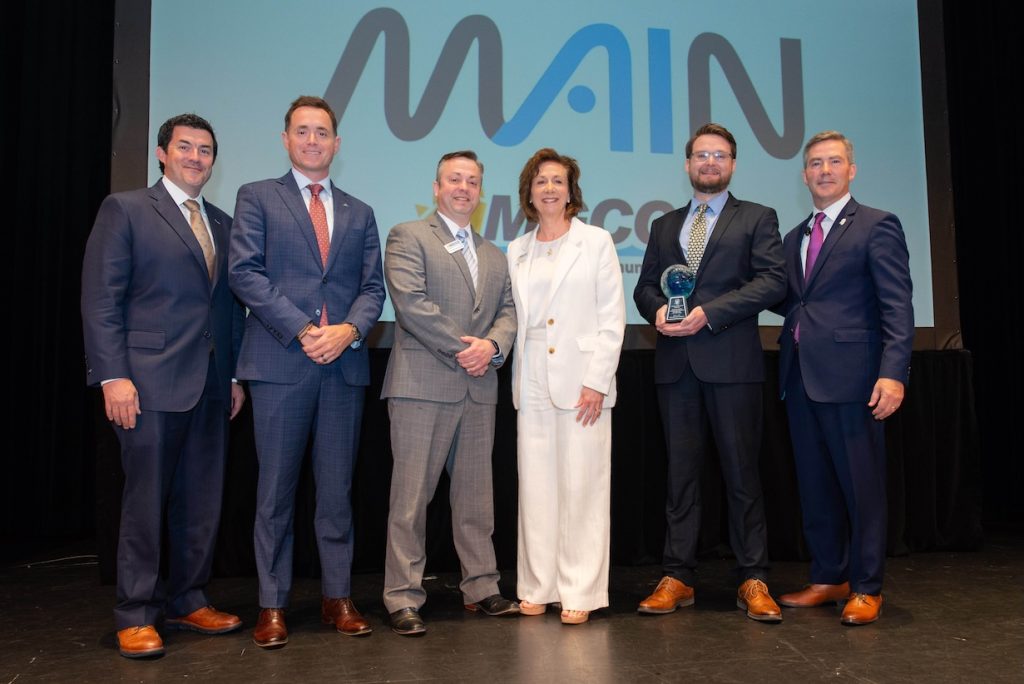
The second Rising Tide Award was presented to the Mississippi Artificial Intelligence Network (MAIN), led by Mississippi Gulf Coast Community College. MAIN was recognized for its statewide leadership in AI education, workforce development, and responsible innovation, including training thousands of Mississippians in AI-related skills and applications.
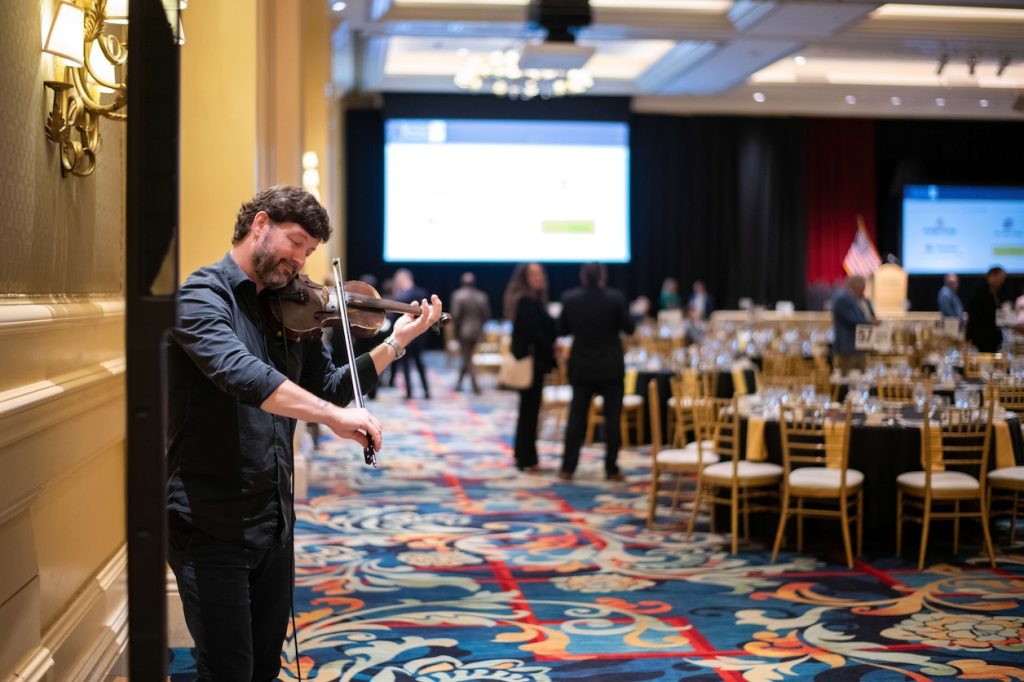
Looking Ahead
As the event concluded, GCBC leadership reflected on the organization’s continued growth and momentum. Current Chairman Jonathan Jones noted that GCBC has now experienced 12 consecutive months of record membership growth, underscoring the increasing desire for regional collaboration and strategic leadership across the Coast.
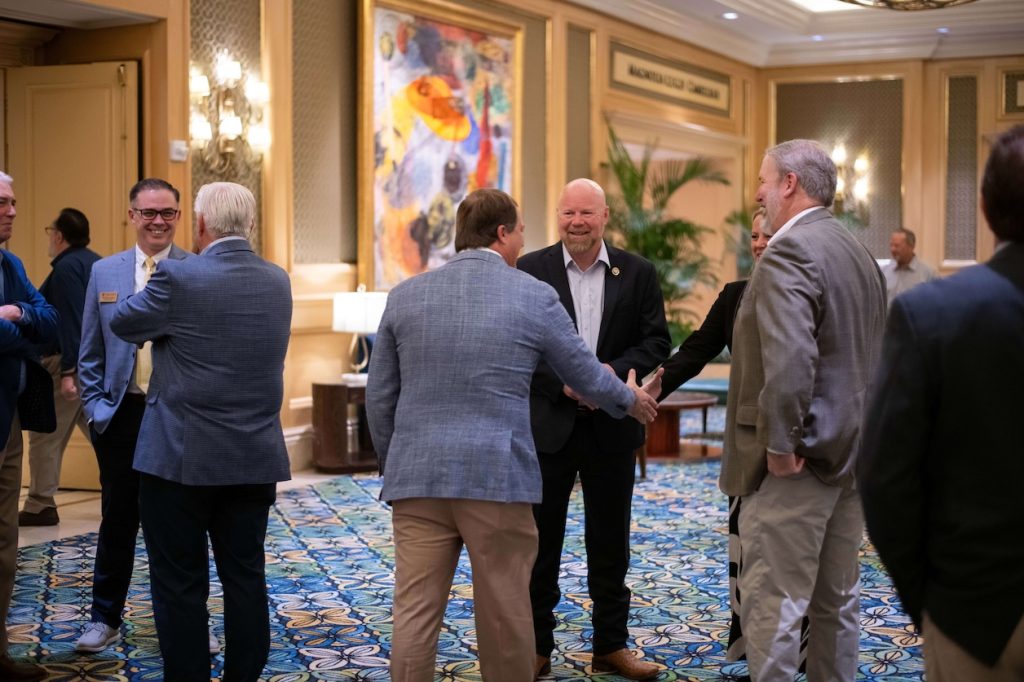
The 2026 State of the Coast Symposium served as both a reflection on how far Coastal Mississippi has come and a challenge to define what comes next. Throughout the morning, one message remained clear: the future success of the Mississippi Gulf Coast will depend not only on resilience, but on the region’s willingness to innovate, collaborate, and compete together.
